
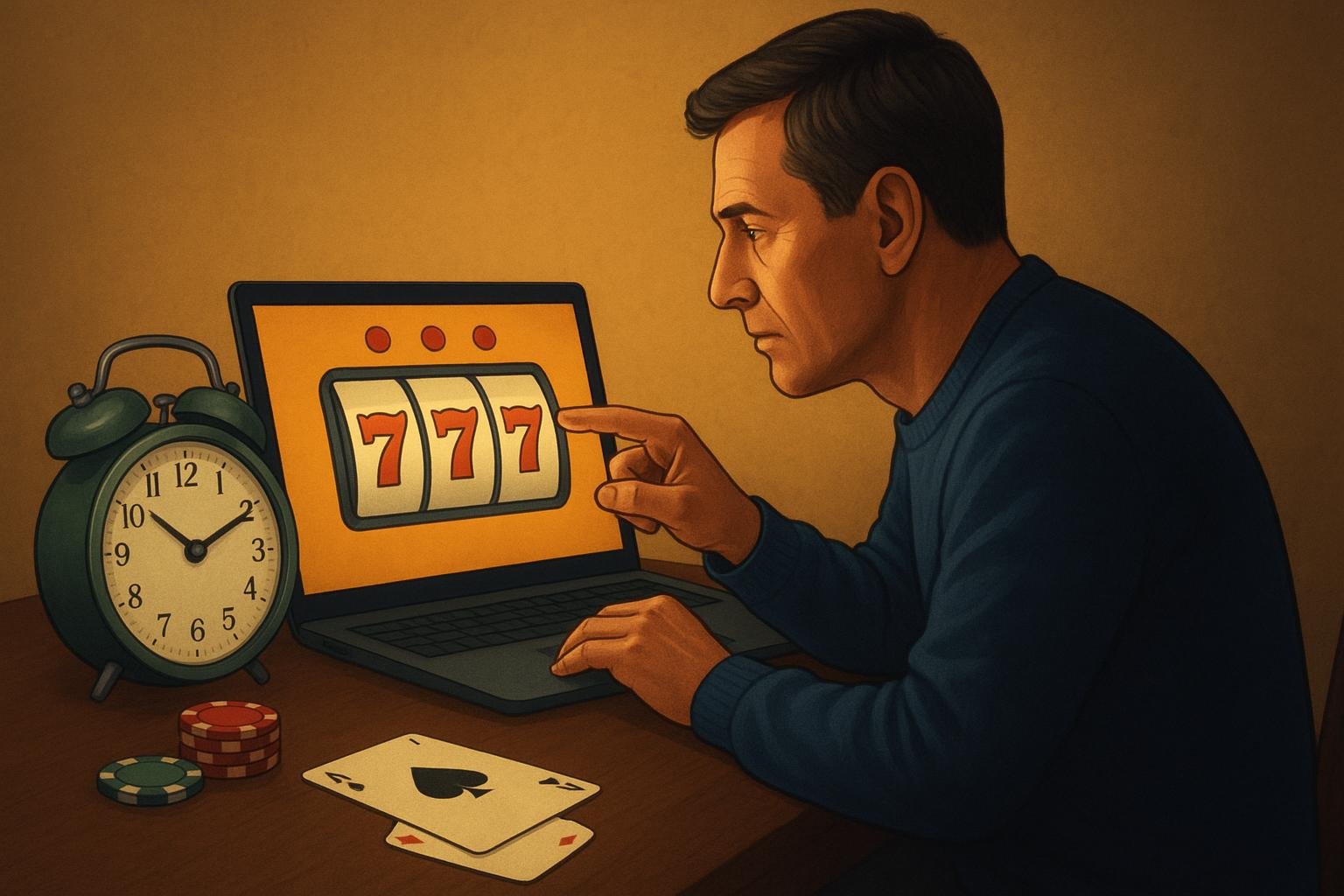

A casino session is easier to manage when you decide in advance what will make you stop. Set a spending limit and a time limit before opening a game, then treat both as firm boundaries—not targets to reach or challenges to beat. This simple plan cannot change a game’s outcomes, but it can help keep play within limits you chose while calm.
Choose a session budget you can afford to lose
Use only money set aside for entertainment, after essential expenses and financial commitments. Don’t borrow, use money needed for bills, or count on winnings to cover costs. If losing the full session budget would cause a problem, lower it or skip the session.
Decide on one maximum amount for the session, rather than relying on repeated top-ups. For example, if you set aside $20 for entertainment, that is the most you plan to spend—not a first deposit that can be replenished after a loss. The exact amount is personal; the useful rule is to choose it before play and not raise it in response to events.
Set a time boundary as well
Money is only one part of a session. Choose a stopping time or a fixed duration, and use an alarm if that helps. A timer is especially useful when games move quickly or when you are playing on a device where it is easy to lose track of time.
Make the boundary specific: “I’ll stop at 9 p.m.” is clearer than “I’ll play for a while.” If you need to be alert for work, study, driving or caring responsibilities, finish well before those commitments. Don’t extend the session because you are close to a bonus round or want to recover a loss.
Decide what happens when you reach either limit
Before starting, make a simple exit plan:
- If the spending limit is reached, stop wagering and do not add funds.
- If the time limit arrives, leave the game even if you are ahead, behind or in the middle of a streak.
- If you feel frustrated, rushed or tempted to chase losses, take that as a reason to stop early.
Some platforms offer deposit, session-time or loss-limit tools. Where available, check what each tool measures and when a change takes effect before relying on it. A reminder or account setting can support your plan, but it cannot guarantee that you will stick to it. You can also review basic preparation in this guide to things to know before playing at a casino.
Keep the game rules separate from your budget
Know what you are playing before you start: rules, stake options, paytable or payout information, and any relevant game features. A spending limit does not make one game safer or more predictable than another, and a previous win does not mean a future result is due. The available games and their rules can vary, so use the game’s own information rather than assumptions based on its name. This overview of casino table games, slots and their variations can help explain why checking the specific version matters.
Likewise, a stated return-to-player figure, where shown, is a theoretical measure over a large number of plays—not a forecast of what will happen during your session. For other checks, such as reviewing a game’s oversight and records, see this practical online casino fairness guide.
Review the plan without judging yourself by the result
Afterward, note whether you stopped when you intended to, not just whether you won or lost. A session that ends with a win can still exceed your time limit; a loss within your planned budget does not mean you should try again to get it back. If you repeatedly find it hard to stick to limits, consider taking a break, using available blocking or self-exclusion tools, or contacting a gambling-support service in your region.
The practical takeaway is simple: decide the maximum spend, decide the stopping time, and know your exit steps before play begins. If either limit is reached, the session is over—regardless of the outcome.


